Quick links

UNISON

Site search

Join UNISON

Site navigation

Black History Month

Great Black British figures

Download full list: Link to a PDF document on this siteGreat Black British figures - PDF (233kb)

Examples:

John Archer
Born in Liverpool and moved to Battersea where he became involved in politics. He was a progressive who supported the creation of public baths and protested against animal vivisection.

On his election as Mayor of Battersea in 1913, Archer spoke with dignity and pride about his Blackness. He said of his accomplishment: "My election marks a new era. For the first time in the history of the English nation a man of colour has been elected mayor of an English borough. That will go forth to all the coloured nations of the world. They will look to Battersea and say, 'It is the greatest thing you have done. You have shown that you have no racial prejudice, but recognise a man for what you think he has done.'

Jayaben Desai
Thirty years ago, Jayaben Desai led a long-running strike at the Grunwick photo-processing factory in London. The workforce was predominantly made up of East-African Asian women. The wages and conditions were poor and there was no union recognition.

In a dispute over compulsory overtime, Desai led a walk out, and demanded union recognition. Up to 8,000 workers from across the country joined the picket. When the union movement did not offer the support the strikers wanted, the organisers began a hunger strike outside TUC headquarters, and won their demands.

At a time when the public perception of Asian women was dominated by notions of a passive, subservient group, Desai and her colleagues forcefully challenged stereotypes.

Gloria Mills
UNISON spokesperson on equality, recently completed her term as TUC President, the first-ever Black woman to hold that position.

Gloria's involvement with trade unions began as a steward in 1978. It was not long before she was appointed UNISONŐs director of equal opportunities. Since that time she has been responsible for a range of campaigns on equal pay, childcare, women, employment, race and human rights issues.

Gloria was also the first Black woman elected to the TUC's General council, and is chair of its race committee and a member of the women's committee. She is a CRE Commissioner and sits on the editorial advisory board of Equal Opportunities Review. Gloria was awarded the CBE in 1995 for services to trade unions and then the MBE in 1999.

Mary Seacole
Undeniably, Mary Seacole's reputation after the Crimean War (1853-1856) rivalled Florence Nightingale's. Unlike Nightingale, Seacole also had the challenge to have her skills put to proper use in spite of her being Black.

A born healer and woman of driving energy, she overcame official indifference and prejudice. She got herself out to the war through her own efforts and at her own expense; risked her life to bring comfort to the wounded and dying soldiers; and became the first black woman to make her mark on British public life.

UNISON has been a key architect behind the annual Mary Seacole Leadership Development Award which recognises nurses, midwives and health visitors, who make positive contributions that promote high quality patient and client-focused care. For details visit the UNISON web site.

Related links
For more information visit the 100 Great Black Britons website Link to an external websitewww.100greatblackbritons.com

CONTACT DETAILS
• UNISON's national race equalities officer is Pav Akhtar.
UNISON Black History Month
1 Mabledon Place
London WC1H 9AJ
Email: p.akhtar@unison.co.uk
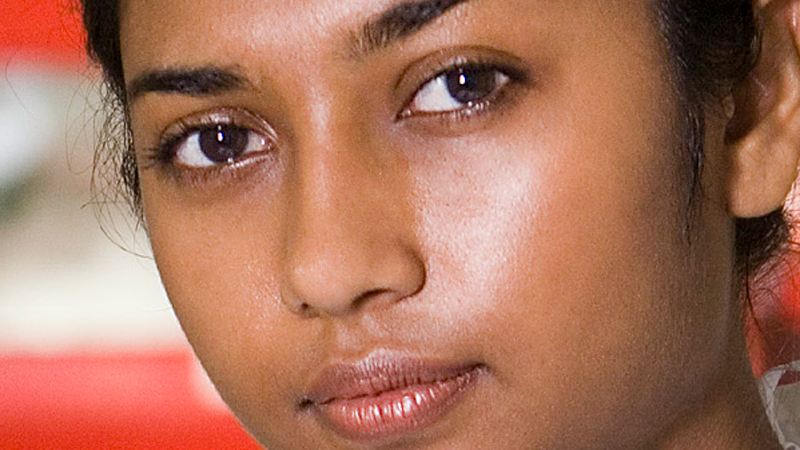
Photograph of Gloria Mills
"Black History Month enables us to benefit from the goodness of our multi-cultural society. And it allows us to remember the achievements of those who challenged the norm and struggled to make the world a better place"
Gloria Mills, retiring TUC president and UNISON's spokesperson on equality
UNISON, 1 Mabledon Place, London WC1H 9AJ. Telephone: 0845 355 0845.
© Copyright 2008
UNISON plus
for Shopping Discount Service
Investor in People